Top 10 Car Maintenance Mistakes That Cost You Money
Top 10 Car Maintenance Mistakes That Cost You Money
Proper vehicle maintenance can mean the difference between a car that serves you reliably for years and one that becomes a money pit. According to the American Automobile Association (AAA), the average driver spends over $1,200 annually on vehicle maintenance and repairs. Unfortunately, many of these costs stem from preventable mistakes that compound over time.
Avoiding common maintenance errors isn't just about saving money—it's about protecting your investment and ensuring your safety on the road. Here are the top maintenance mistakes that could be costing you thousands.
1. Ignoring Your Owner's Manual
Your vehicle's owner's manual contains manufacturer-specific maintenance schedules tailored to your exact make and model. Yet studies show that fewer than 20% of drivers regularly consult this crucial resource.
The manual outlines when to change specific fluids, replace filters, and service components based on your driving conditions. Following generic advice instead of manufacturer recommendations often leads to premature wear or unnecessary services.
The Fix: Keep your owner's manual accessible and refer to it for all maintenance decisions. Create a schedule based on the manufacturer's recommendations, not what someone else tells you.
2. Following Outdated Oil Change Rules
The old "3,000-mile oil change" rule costs drivers money and isn't necessary for most modern vehicles. Today's engines and synthetic oils can safely go 5,000 to 10,000 miles between changes, depending on your specific vehicle and driving conditions.
Changing oil too frequently wastes money and resources, while waiting too long can cause severe engine damage. Understanding how often you should really change your oil helps you strike the right balance.
The Fix: Follow your manufacturer's oil change intervals, which account for your engine type, oil specification, and typical driving conditions.
3. Neglecting Preventive Maintenance
Many drivers wait until something breaks before addressing it. This reactive approach often turns minor issues into major repairs. For example, ignoring brake pad wear can lead to damaged rotors, increasing repair costs by 300% or more.
Regular preventive maintenance catches problems early when they're cheaper and easier to fix. Knowing when to replace brake pads and rotors before they fail completely can save significant money.
The Fix: Stick to scheduled maintenance intervals and address minor issues promptly before they escalate.
4. Using the Wrong Fluids
Not all motor oils, coolants, and transmission fluids are created equal. Using the wrong specification can void warranties and cause expensive damage. Modern vehicles often require specific fluid formulations that meet precise engineering requirements.
For instance, using conventional oil in an engine designed for synthetic can reduce performance and longevity. Similarly, the wrong coolant type can corrode your cooling system over time.
The Fix: Always use fluids that meet your manufacturer's exact specifications, found in your owner's manual or on fluid caps and dipsticks.
5. Ignoring Warning Lights and Sounds
That check engine light or unusual noise isn't going to fix itself. Studies indicate that drivers who ignore warning signs spend 40% more on repairs than those who address issues immediately.
Warning lights often indicate problems that can worsen rapidly without attention. Understanding what your check engine light means can help you determine whether it's safe to drive or if you need immediate attention.
The Fix: Have warning lights and unusual sounds diagnosed promptly. Even if the issue seems minor, early intervention usually costs less than waiting.
6. Skipping Regular Inspections
Many maintenance issues aren't visible during casual observation. Professional inspections can identify worn belts, fluid leaks, and other problems before they leave you stranded.
Regular inspections also help you plan for upcoming maintenance needs, allowing you to budget for repairs instead of facing unexpected emergencies.
The Fix: Schedule comprehensive inspections according to your maintenance schedule, typically every 12,000 to 15,000 miles or annually.
7. Choosing the Cheapest Option Every Time
While budget consciousness is important, always choosing the cheapest parts or services can backfire. Low-quality components often fail sooner, leading to repeated repairs and more downtime.
This doesn't mean you need the most expensive option, but finding the right balance between cost and quality provides better long-term value.
The Fix: Research parts and service providers. Look for quality components that offer good warranties, and choose reputable mechanics even if they cost slightly more.
8. Attempting Complex Repairs Without Proper Knowledge
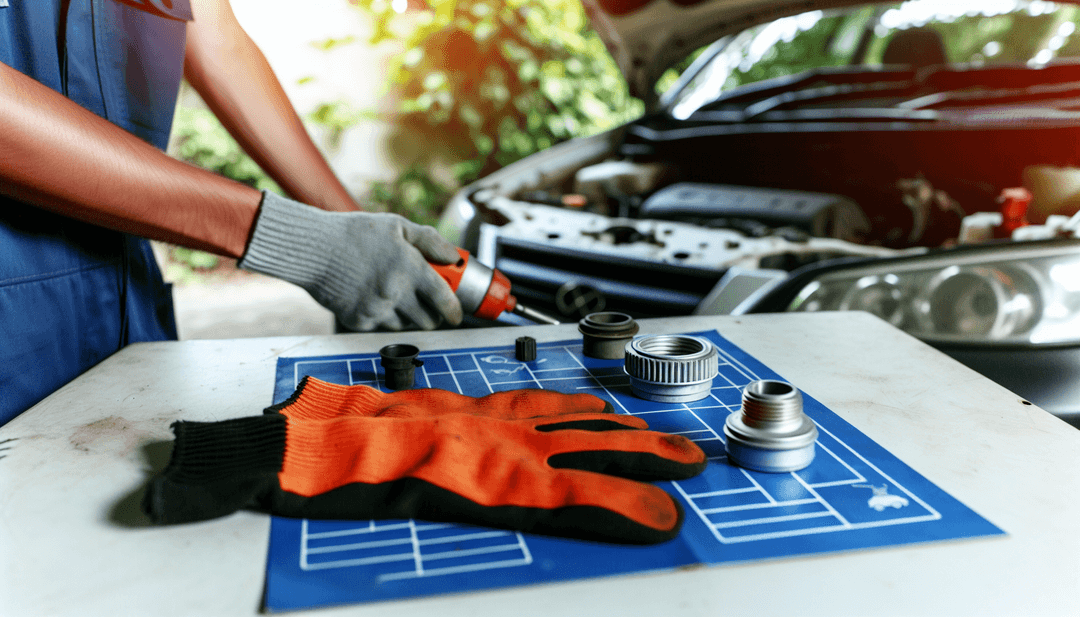
DIY maintenance can save money, but attempting repairs beyond your skill level often creates bigger problems. Modern vehicles contain complex systems that require specialized knowledge and tools.
Simple tasks like oil changes, air filter replacement, and fluid checks are manageable for most people. However, electrical work, transmission service, and engine repairs typically require professional expertise.
The Fix: Know your limits. Handle basic maintenance yourself, but leave complex repairs to qualified professionals.
9. Mixing Maintenance Schedules
Different vehicle systems have different maintenance intervals. Mixing up schedules or trying to do everything at once can lead to premature service or missed maintenance windows.
For example, your air filter might need replacement every 15,000 miles while your transmission service is due every 60,000 miles. Combining these schedules incorrectly wastes money and may not protect your vehicle properly.
The Fix: Create a detailed maintenance calendar based on mileage and time intervals for each system. Track each service separately.
10. Not Considering Warranty Protection for Aging Vehicles
As vehicles age beyond their factory warranty period, repair costs can become unpredictable. Many drivers assume extended warranty protection isn't worth the investment, but this calculation changes when facing expensive repairs.
Modern vehicles contain sophisticated electronics and expensive components that can fail without warning. Recognizing the warning signs that indicate you need warranty protection can help you make informed decisions about coverage.
Extended warranties may cover major repairs like transmission problems, electrical issues, and air conditioning failures, depending on your specific plan. This protection can provide peace of mind and budget predictability for maintenance costs.
The Fix: Evaluate your vehicle's repair history and consider extended warranty coverage before expensive problems develop. Research providers carefully to ensure you're getting quality protection.
Protecting Your Investment
Avoiding these common maintenance mistakes requires attention and planning, but the payoff is significant. proper maintenance extends your vehicle's life, maintains its value, and reduces unexpected repair costs.
Create a maintenance schedule based on your manufacturer's recommendations, address issues promptly, and don't hesitate to seek professional help when needed. Your wallet—and your vehicle—will thank you.
Disclaimer: The coverage mentioned is general information. Your specific warranty terms may vary.